If you had to choose three life moments that have shaped who you are today, what would they be?
If I had to choose three life moments that have shaped who I am, I would start with the Arab Springs and the beginning of the Syrian Civil War. I grew up in Switzerland, but my father is Syrian and his side of the family was living there at the time. So it was quite a big change in 2011 not being able to regularly go visit my relatives in Syria anymore and eventually growing away from a part of my identity. My grandparents had to flee their home and leave everything behind. It made me realize that things aren’t forever, and that everything can change pretty quickly. To this day, this part of my identity still inspires some of my photographic projects.
The second moment would be when I shifted from architecture studies to photography. I had already been working with photography during my architecture studies, and that was actually the part I liked most. I found it fascinating to create images conveying the essence of unbuilt architectural projects. I later decided to pursue this passion by going to photography school, which in time led me to work with photography professionally.
Finally, the third one would be moving in with close friends in a shared housing, challenging the social norms and expectations of a couple in their 30s. My girlfriend and I decided to invest our time into friendships as much as in our couple, therefore building a greater community of people supporting each other in tough times and in daily life.
How has your art practice and your approach to creating changed over time?
As I began my photographic practice from an architectural photography point of view, I started around themes like architecture, construction sites, urbanization, and urban landscapes. My work was greatly influenced by the assignments I had, mostly in architectural photography. I was creating in an intuitive way, following where my gaze was drawn, and only later in the editing phase would I start to notice some patterns occurring or themes starting to emerge and create a consistent body of work. So I would say I gained in organization over time, as today, I’d say my approach to creating is more directly oriented towards ongoing projects. I try to be confident in what I want to express before starting to shoot. It helps me to have a clear idea of the goal I’m aiming to create. Of course, I also continue to make images in my daily life in a more intuitive way.
Can you talk a little bit about your series, “Fragile Monuments”, and specifically the idea of accidental sculptures?
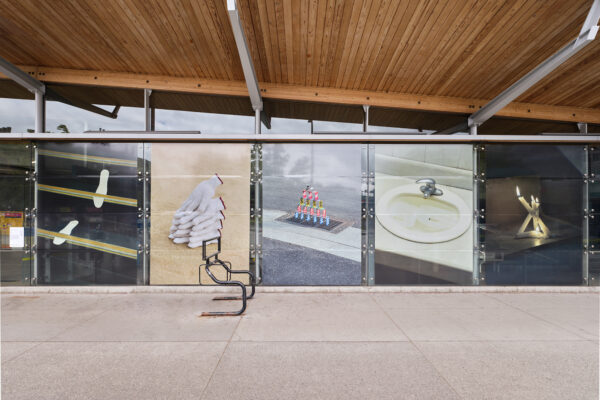
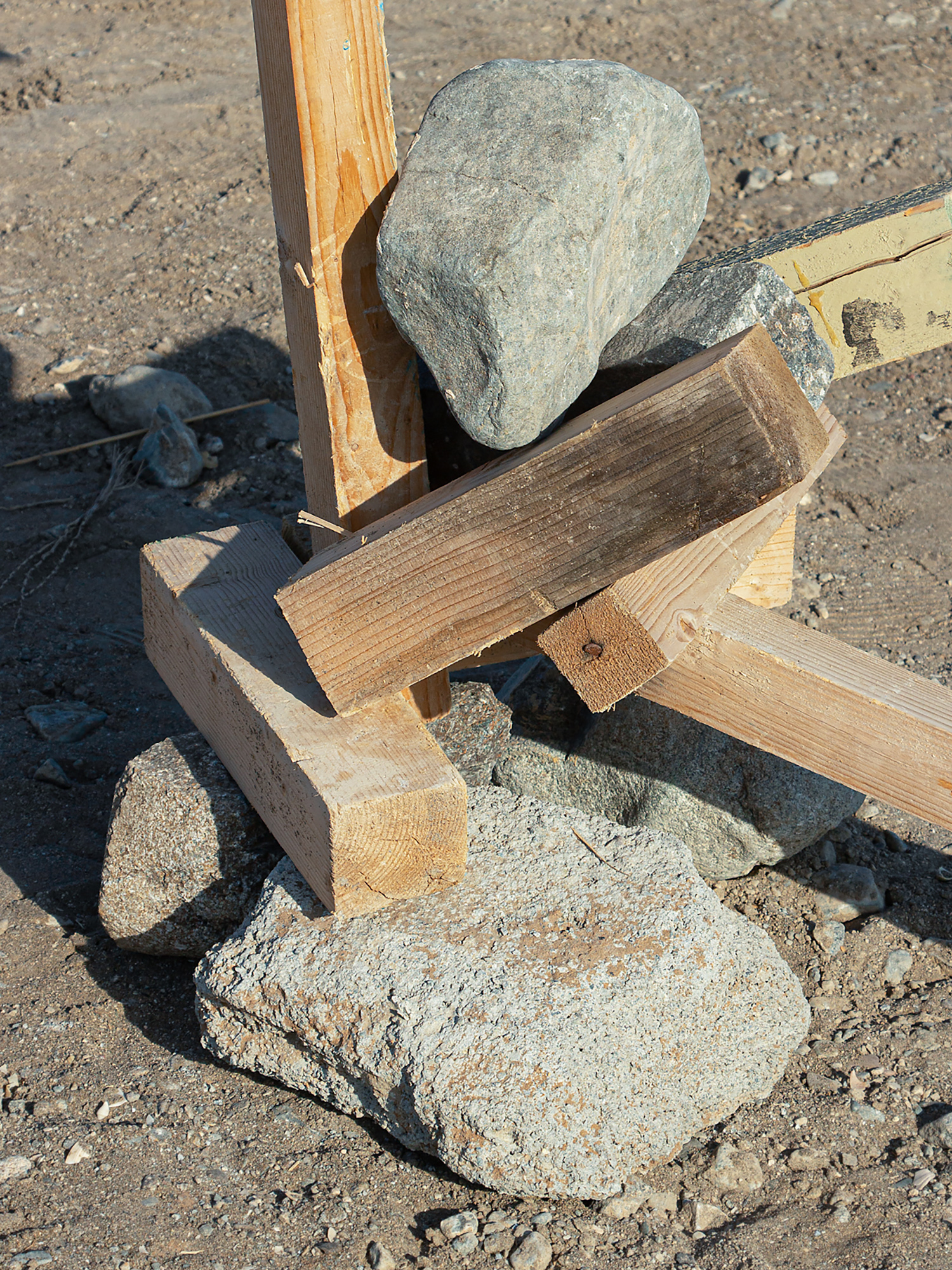
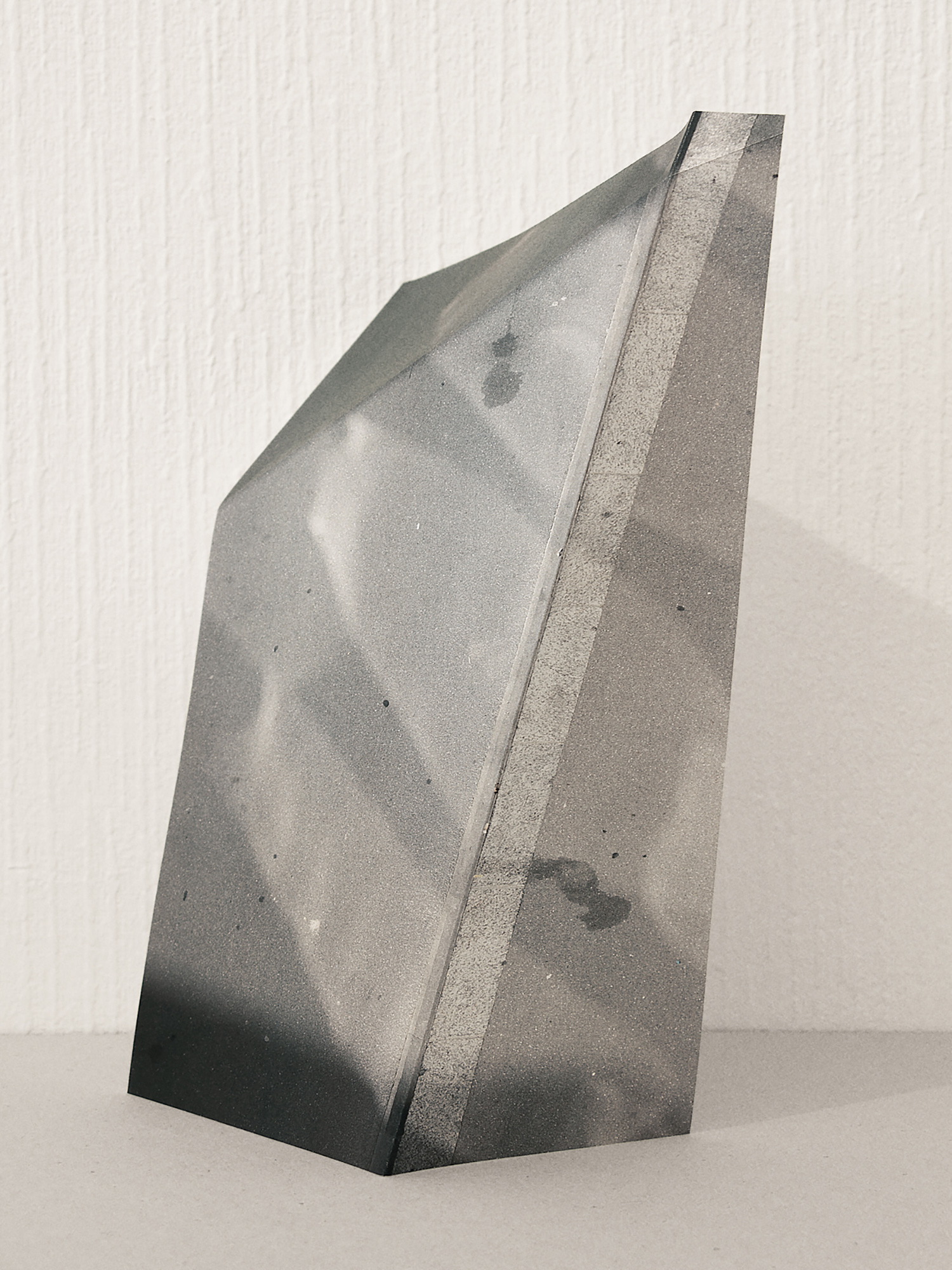
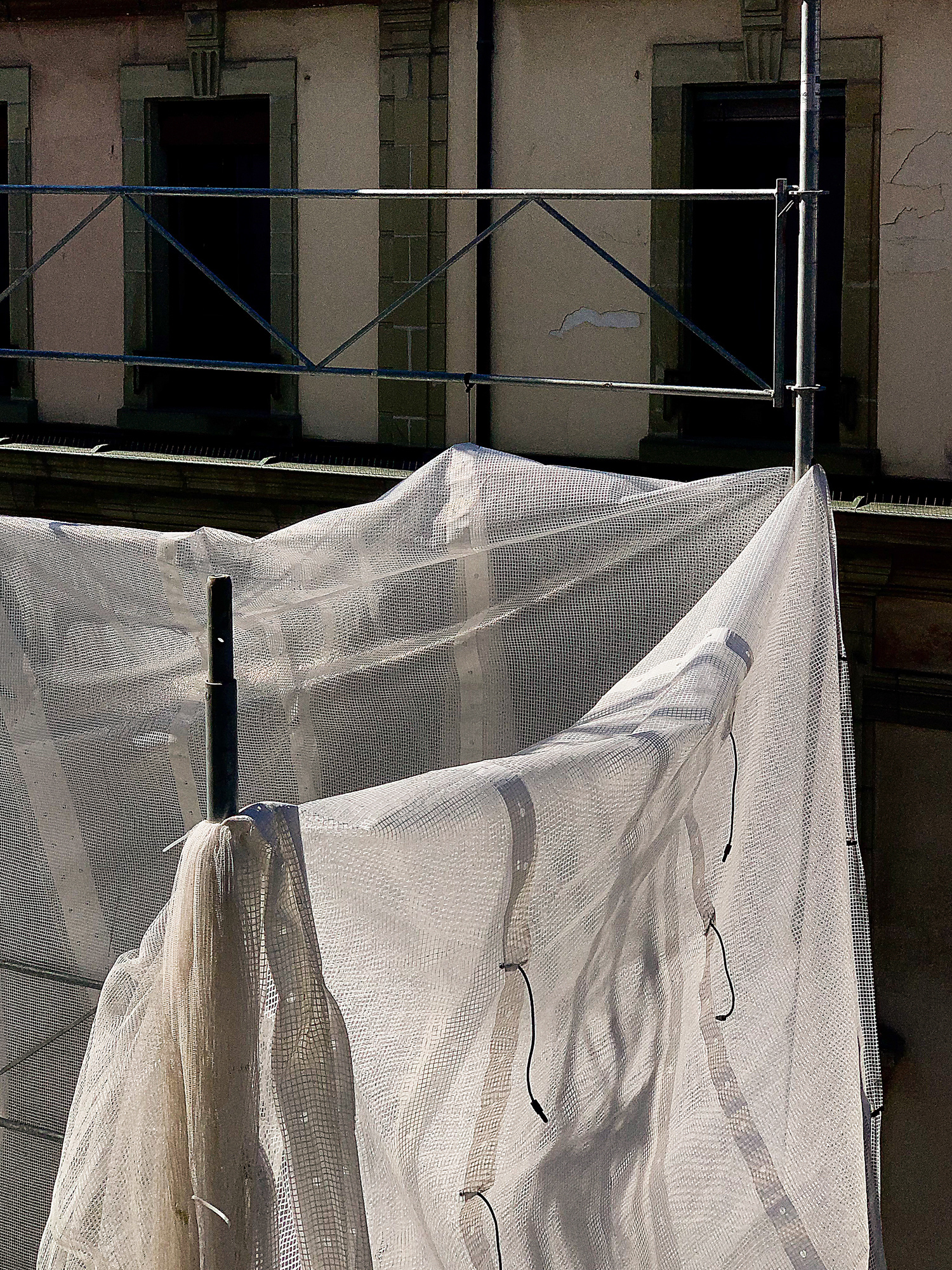
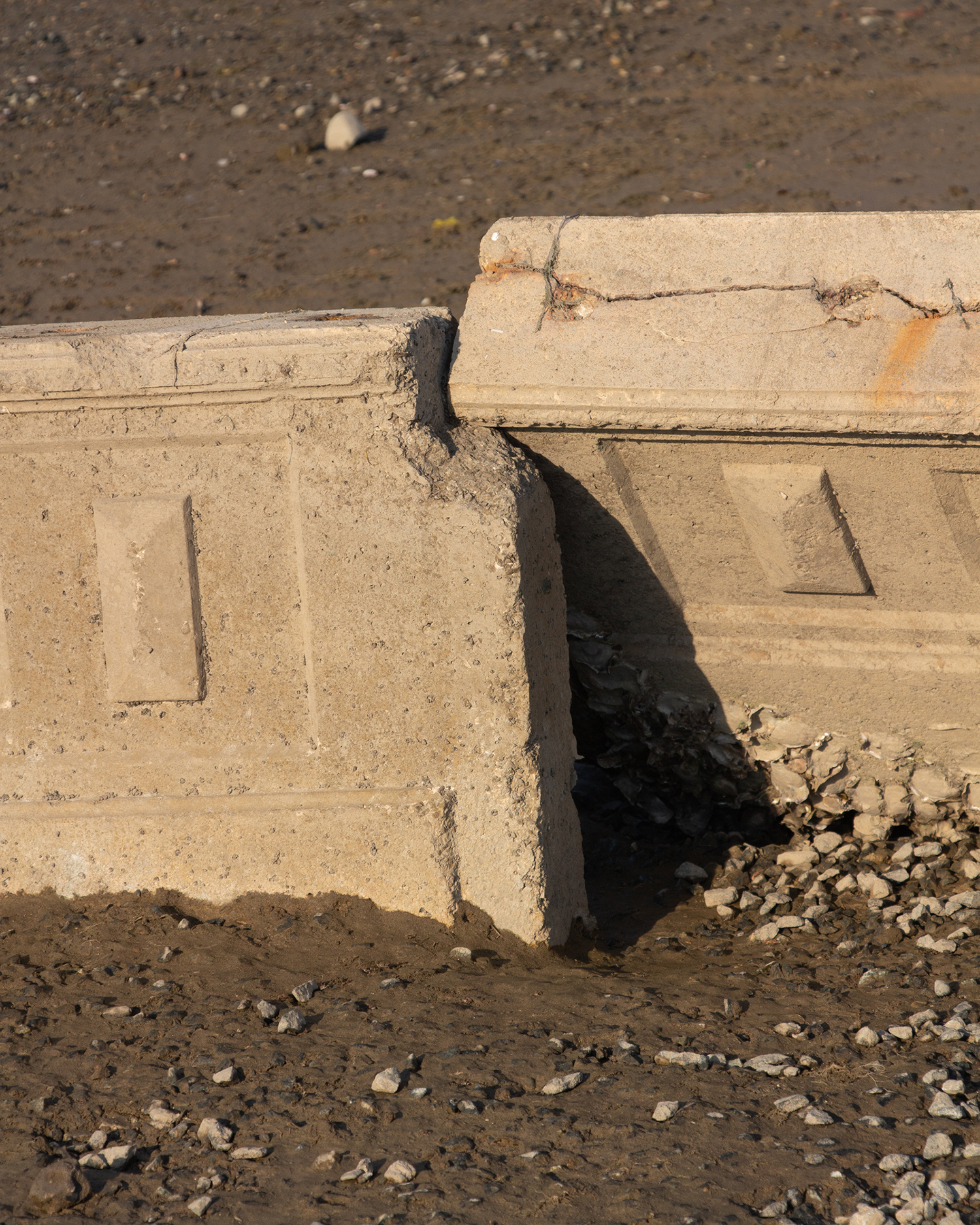
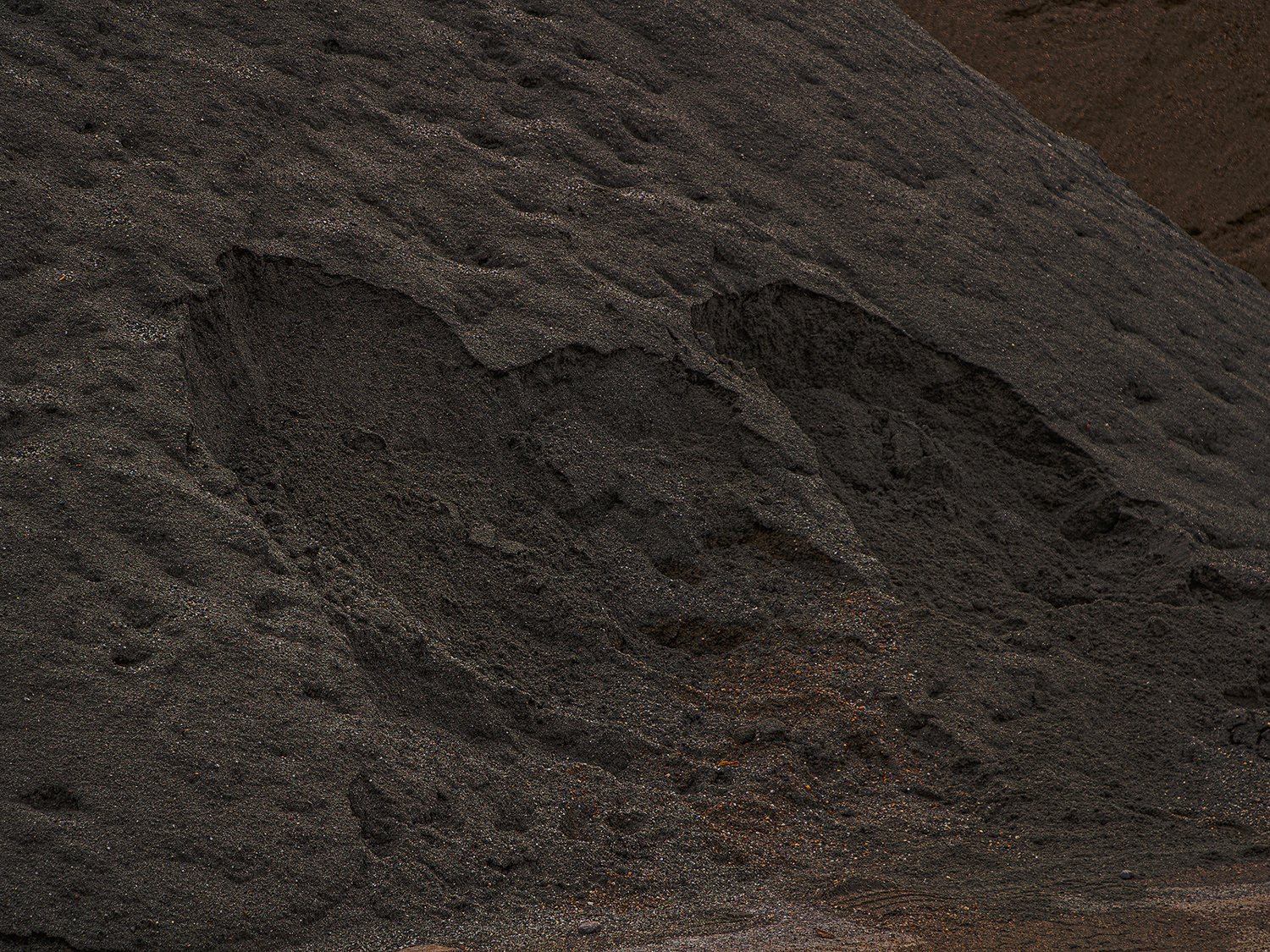
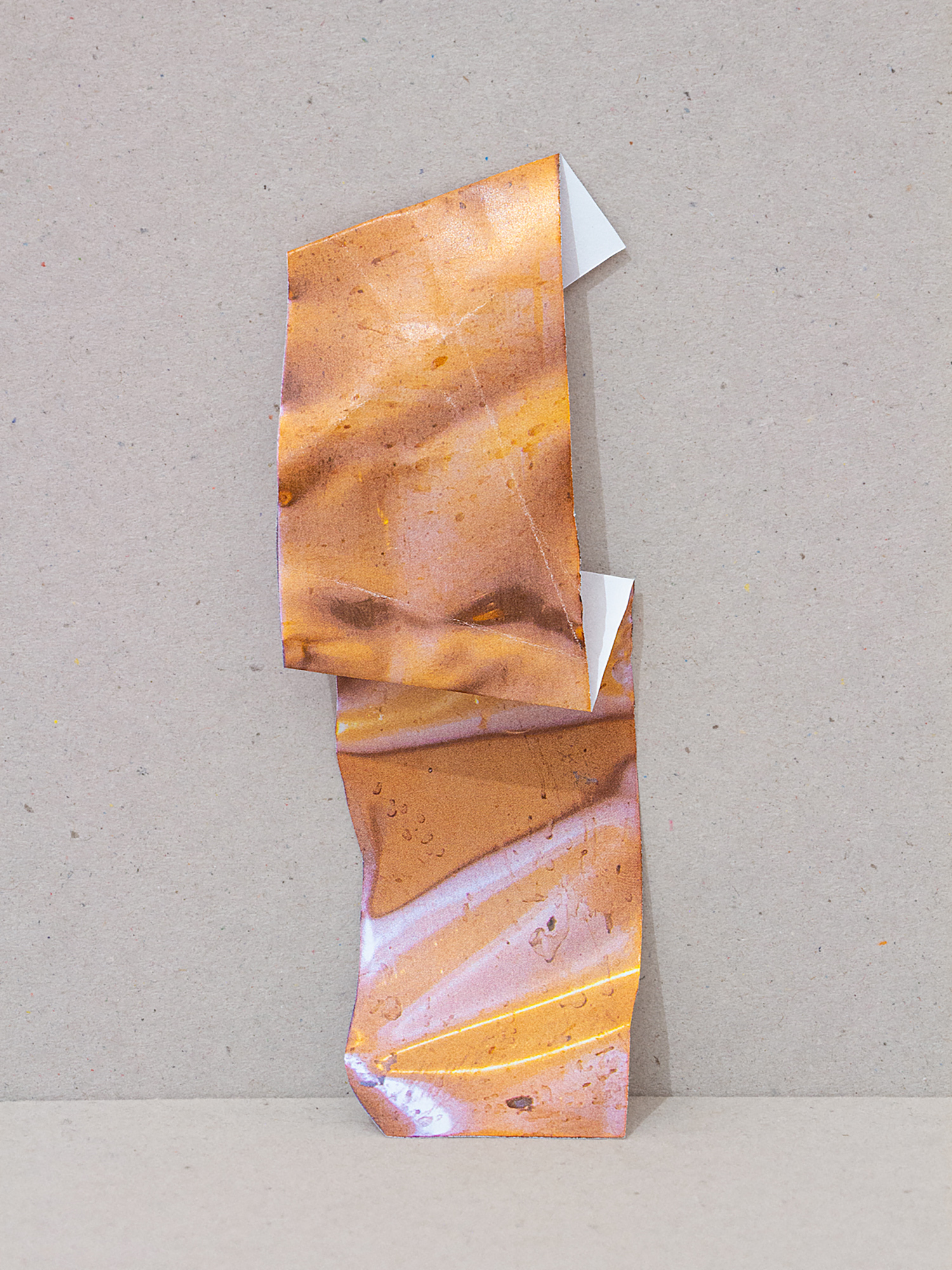
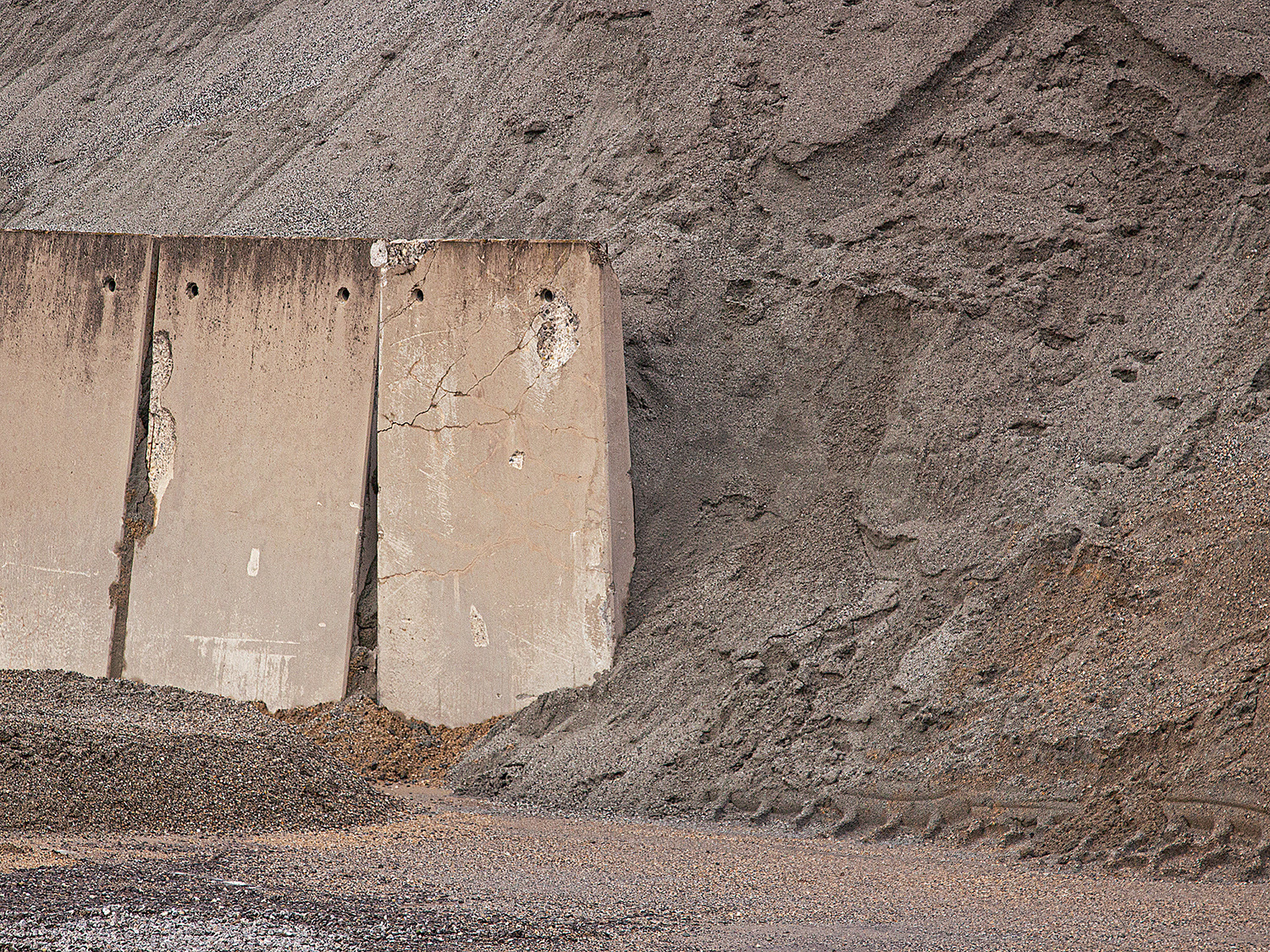
“Fragile Monuments” is a project that explores our constructed world, creating accidental sculptures from found objects and challenging the physical properties of materials by shaping printed images. It started as a research between architecture and photography, as an answer to Robert Smithson photographic work “The Monuments of Pessaic” (1967), where he documents the industrial landscapes of suburbs in New Jersey. The purpose of the “accidental sculptures” is to shed light onto everyday scenes found in construction sites around where I live. I try to photograph them—giving them the same importance as Renaissance sculptures—to question how we can give importance to unremarkable found objects. They are therefore sculptures in the way I look at them through photography, but accidental because they weren’t created with any artistic intention.
Where do you feel you are at in your creative journey?
I feel I’m still at the beginning of my creative journey! I’m only starting to have my projects getting seen by a broader audience, and I have a growing list of photographic projects I would like to realize. I also feel myself at a shifting point in the themes I tackle in my practice. Coming from a more architectural side of photography, I feel that I’m more and more drawn to social questions lately, like migration, environment, multiple identities, or challenging mainstream social norms. I’m currently working on a project using photographic archives my grandfather did in the 1960s to 1980s and that I was able to retrieve from Syria, linking my childhood memories to this photographic heritage in a very personal project.
Who or what are your biggest creative influences currently?
In the last years, I’ve been inspired by the work of Federico Clavarino, specifically by how his work is greatly evocative without being too explicit, and how he includes found images or archives in his visual stories. I also like the practice of Mathilda Olmi, a Swiss photographer using beautifully poetic images as tools for political, feminist, and ecologist messages. Recently, I’ve also been following the work of associations like the Arab Image Foundation, which collects and preserves photographs from South-West Asia and North Africa and teaches workshops to amateurs and professionals on how to properly take care of family archives to protect visual collective memory. I also love the work of Tanya Traboulsi and Hannah Arafeh, on daily life in Lebanon and Syria.
What’s one piece of good advice someone gave you, and who said it?
A close friend once told me that having fun needs organisation. It was a joke when she said it at first, but I noticed that I thought about it regularly. Even the most random encounters with friends can be organized, and since then, I try to apply this advice to all sides of my life, trying to take initiative to make the fun things I want happen.
What is the most interesting thing you’ve seen, heard, or experienced recently?
I went to see a photographic exhibition at Photo Elysee, the local photography museum in Lausanne. The exhibition showcased the work of numerous genZ artists working with photography on various subjects like the environment, identity, gender. I always find it very inspiring to discover others’ works, especially when presented physically in space.
Describe an artwork that you currently have displayed in your home. Who made it, what does it look like, and what do you like about it?
I have a wall full of images that I like, like a kind of reference board, with reproduction of photographs, illustrations, paintings, and drawings. In particular, I have a photograph by Ada Zielinska, titled “Work Life Balance”, which was printed as a poster in a issue of Gaze Magazine, representing a close-up of a hand catching fire. The flames occupy the majority of the picture, and at the same time, the hand seems to stay still in the chaos of the fire. I look at it as a reminder that internal confidence can help navigate through the unpredictability of life. In general, I try to assemble all these references intuitively and around similar themes or colour palettes, as if I was a curator of very small exhibition spaces.
What is one thing you want to accomplish this next year?
I wish to be able to fully live from photography in the near future. For now, I still have to rely on some communication jobs to be financially stable, but I’m working to change that!
What is one thing you hope to accomplish in your lifetime?
One thing I hope to accomplish in my lifetime is being able to travel back to Syria as a photographer. Going back to the childhood memories of family gatherings would mean a lot. I would also love to witness how the country has changed over the years.
Tomorrow’s Talent 5 Book
This collection brings together work from 60+ artists and is also our biggest volume yet: 276 pages, and for the first time, in a larger format.
Booooooom Shop
2025 Illustration Awards Winners
Explore the work of our five winners, twenty shortlisted artists, and two hundred shortlisted images selected from thousands of entries worldwide.
See More
Join our Secret Email Club
Our weekly newsletter filled with interesting links, open call announcements, and a whole lot of stuff that we don’t post on Booooooom! You might like it!
Sign UpRelated Articles