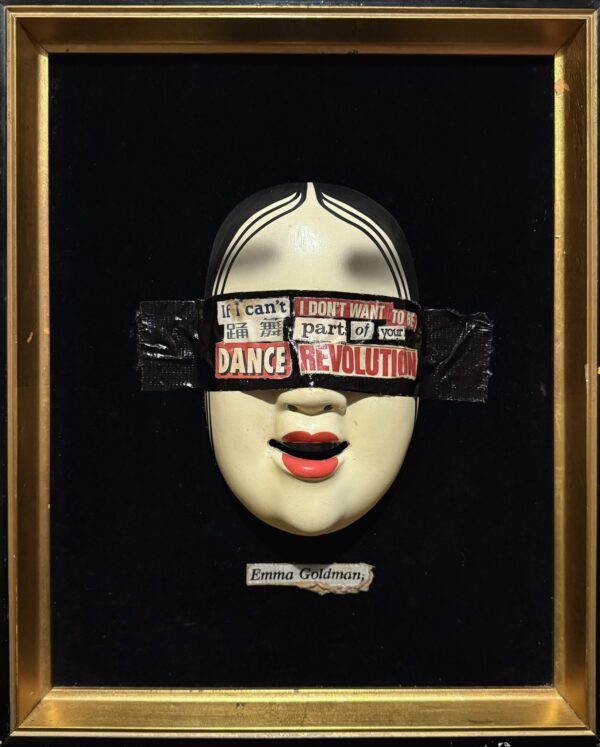
In the early 20th century, Emma Goldman, a Jewish anarchist who moved to the United States, advocated for the rights, freedom, and liberation of women and workers, and shocked society through her critical and radical stance against exploitation and authority.
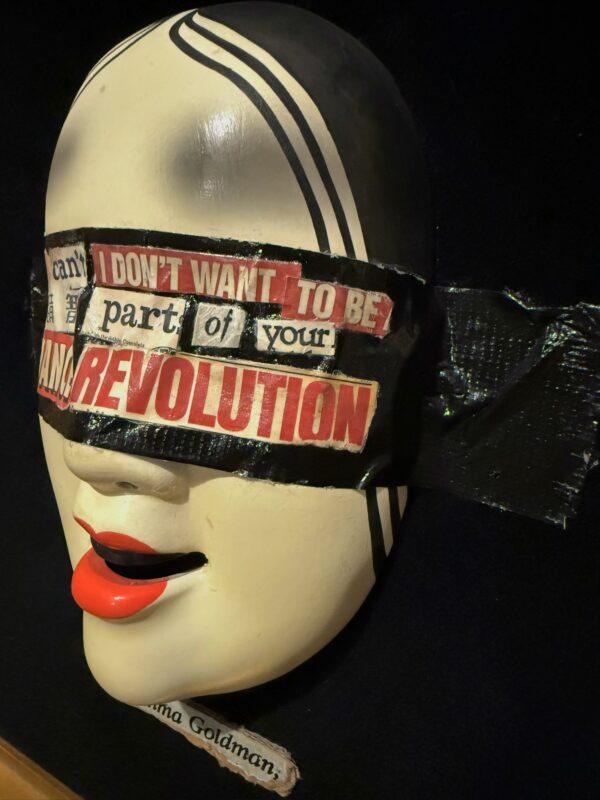
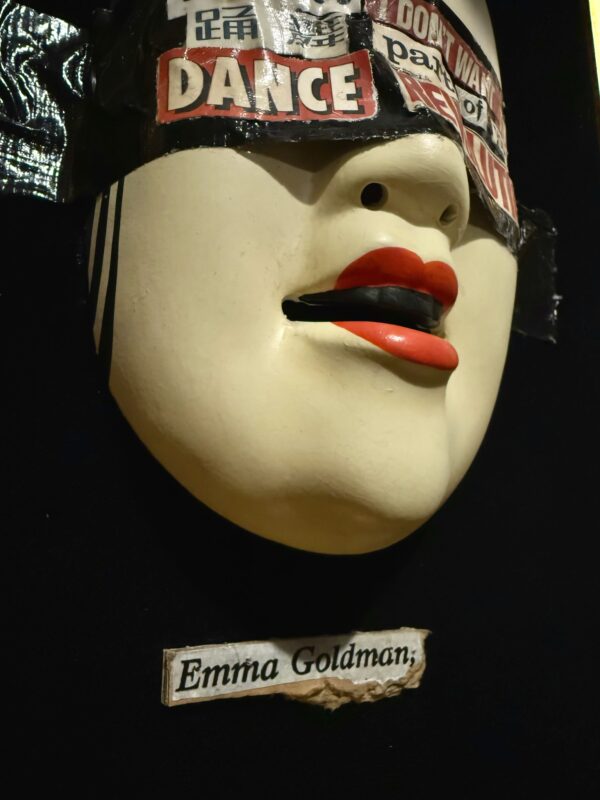
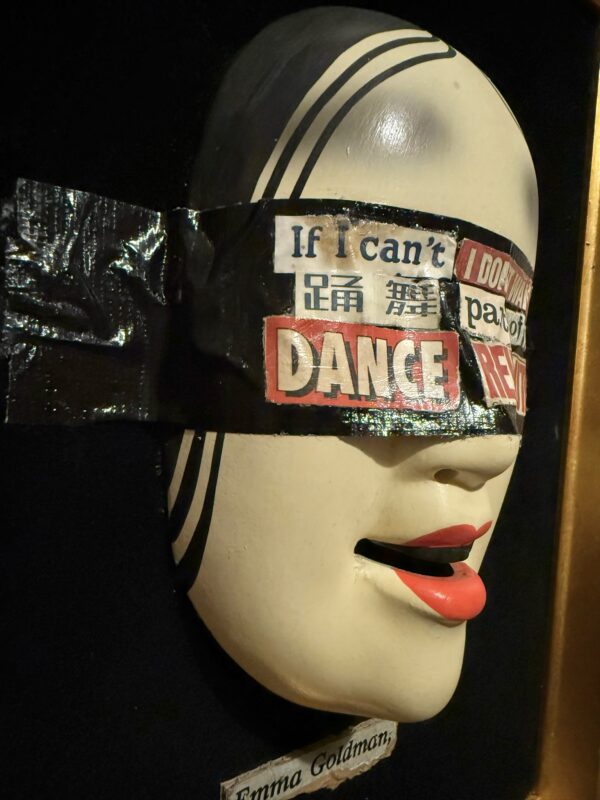
Despite facing repression, she connected political thought with bodily freedom, and with her words, “If I can’t dance, I don’t want to be part of your revolution,” questioned the excesses of power.
In traditional Japanese Noh theatre, the play “Hagoromo” tells the story of a celestial being who dances to regain her robe, and is eventually released, returning to the heavens.
This work connects that story with Goldman’s idea of “freedom” through dance, expressing the enduring power of words that remain even when the face is hidden, and the sense of movement toward liberati
Learn more here
