For our second annual Illustration Awards, supported by Format, we selected 5 winners from each of the following categories: Editorial, Personal, Advertising & Promotional, Product & Packaging, Student. It is our pleasure to introduce the winner of the Product & Packaging category: Sterling Hundley.
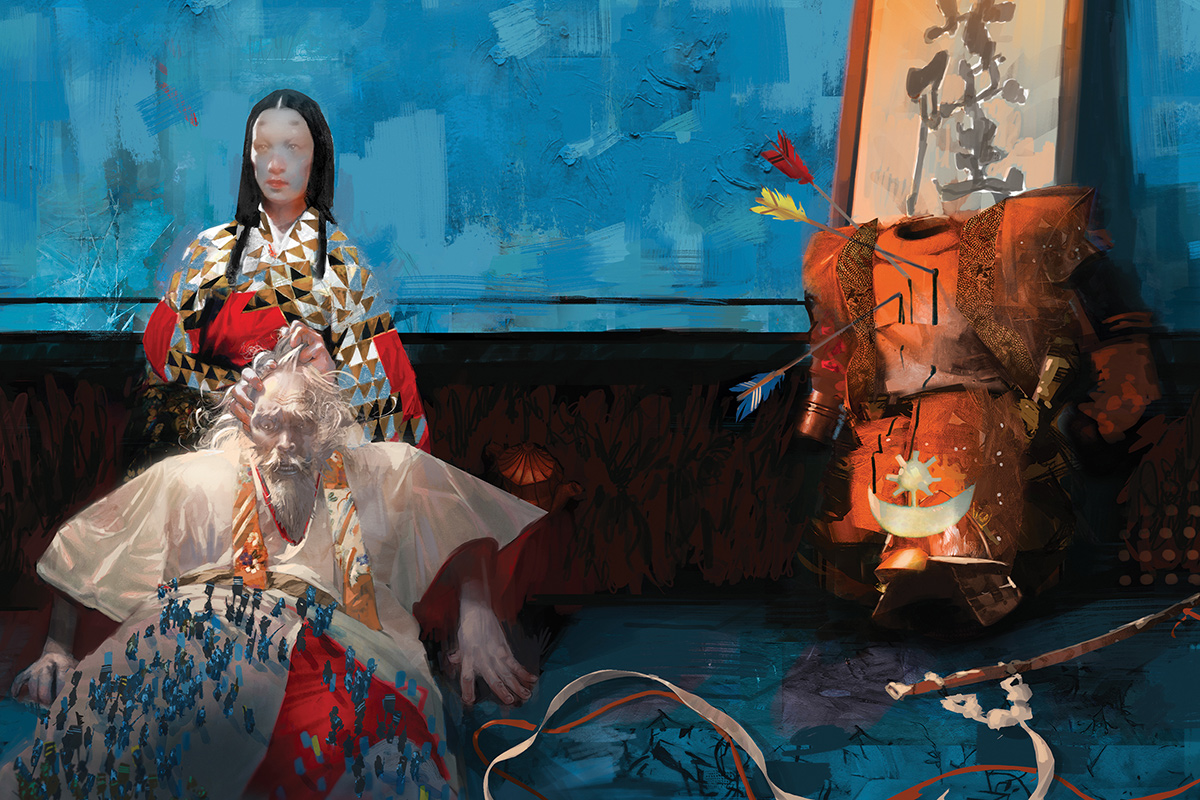
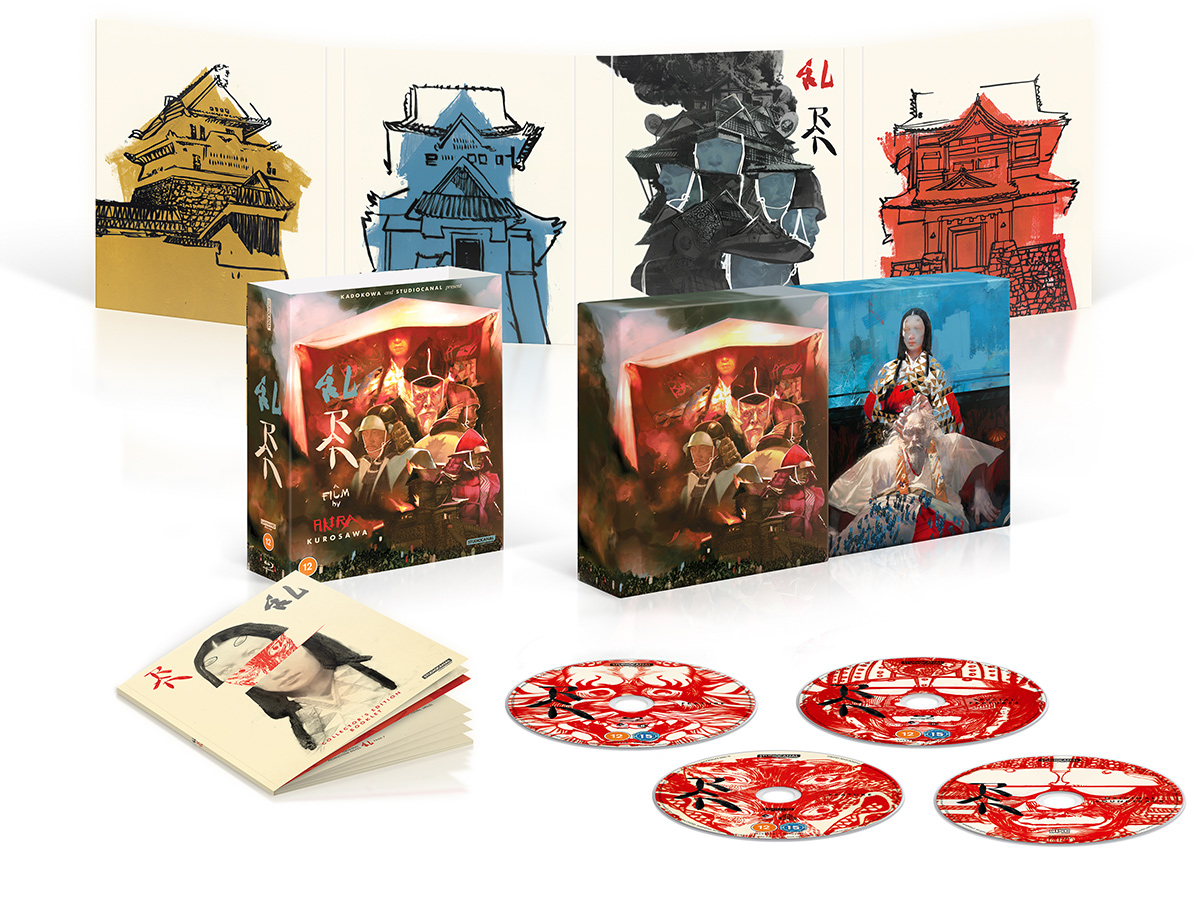
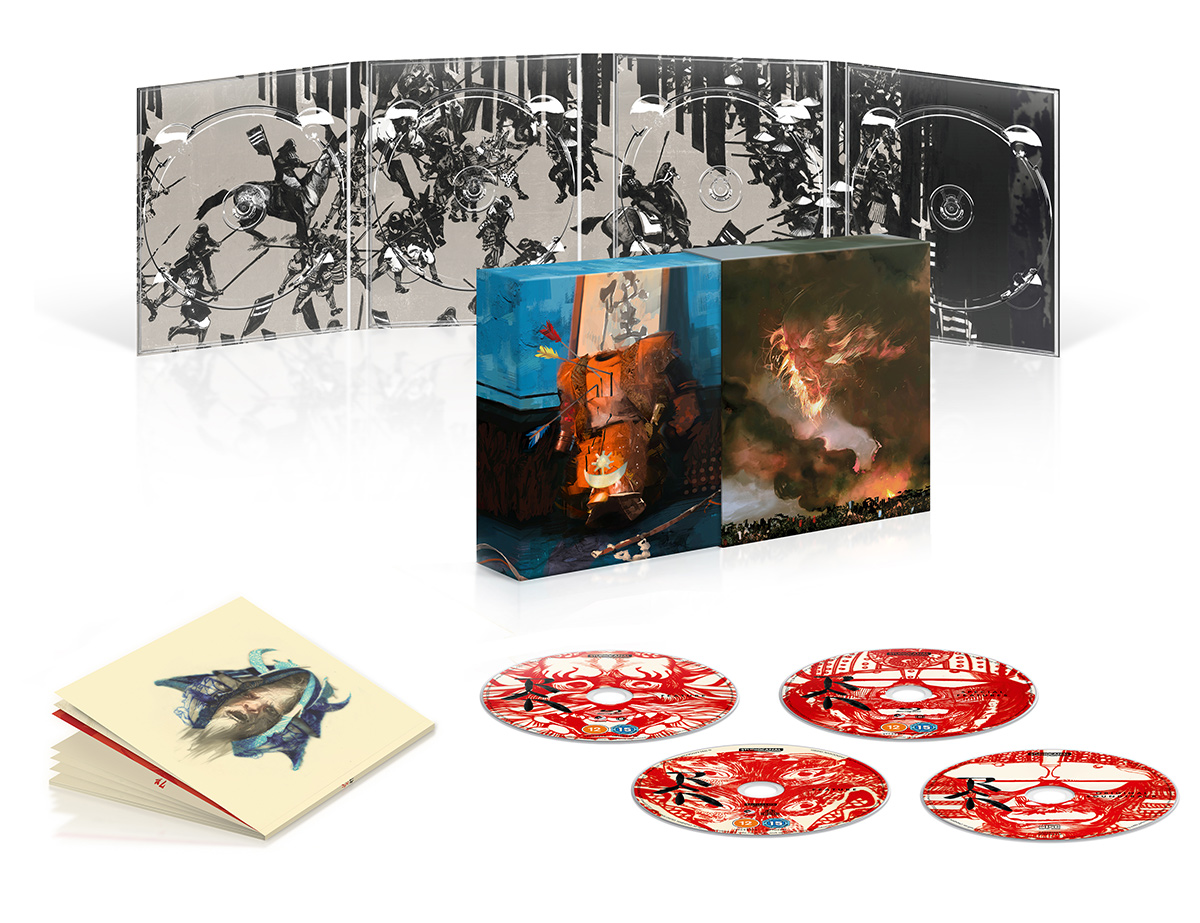
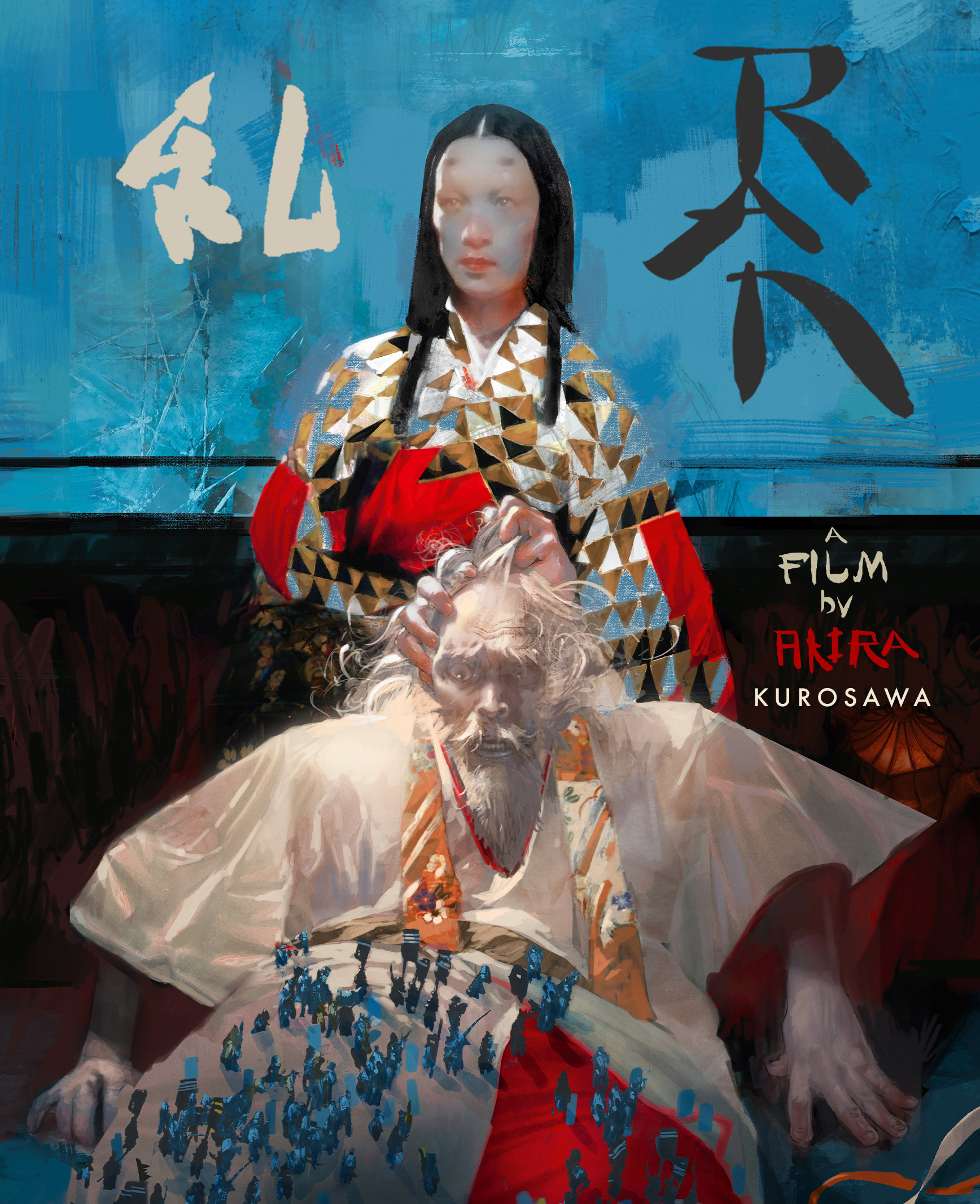
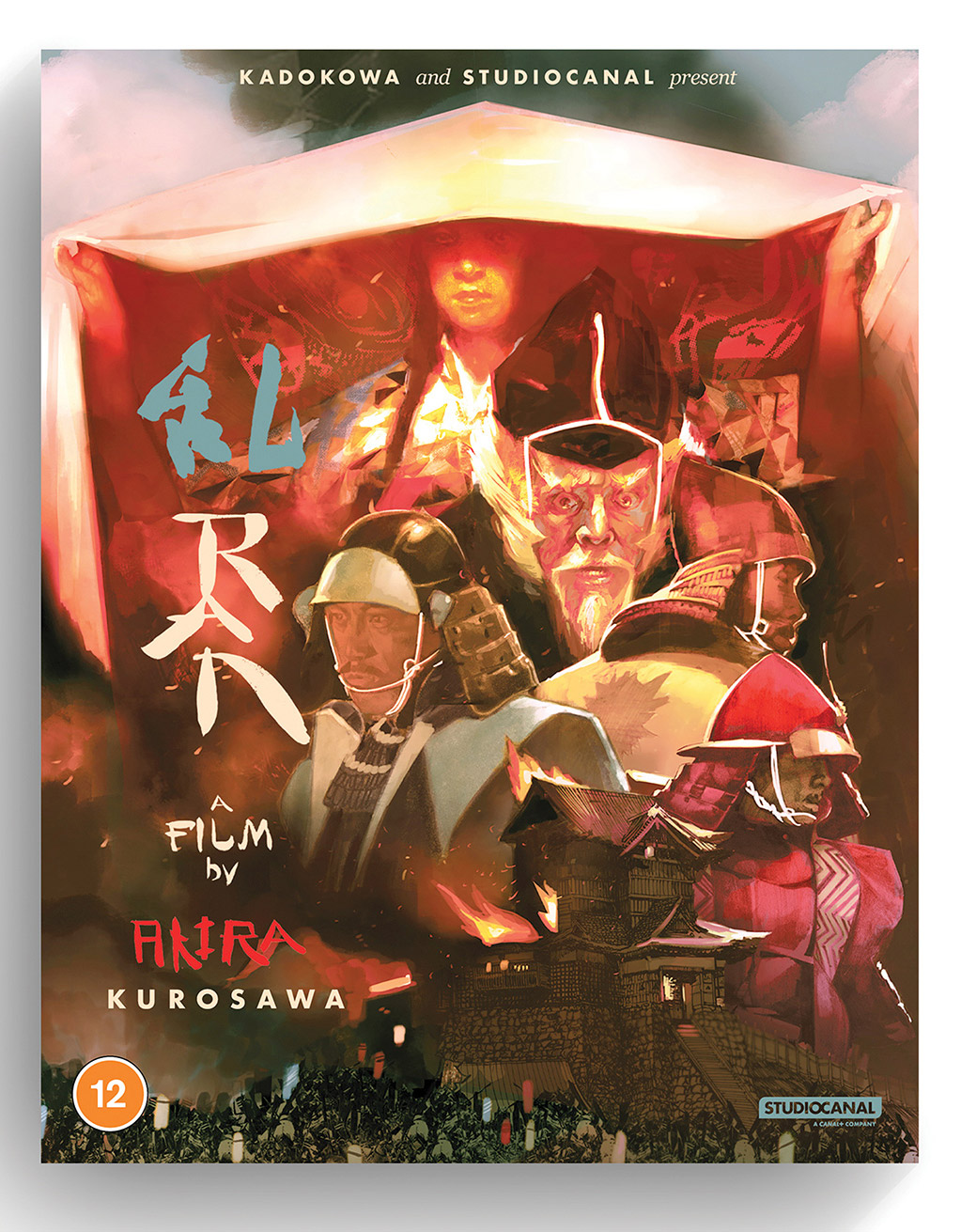
Sterling Hundley is an acclaimed American illustrator, painter, and educator. His clients include Rolling Stone, The New Yorker, The New York Times, NASA, Marvel, and HarperCollins. His winning submission is a packaging design, illustration, and typography project for the 40th Anniversary release of Akira Kurosawa’s masterpiece, Ran, from STUDIOCANAL.
This year’s awards were sponsored once again by Format, an online portfolio builder specializing in the needs of photographers, artists, and designers. With nearly 100 professionally designed website templates and thousands of design variables, you can showcase your work your way, with no coding required. To learn more about Format, check out their website here or start a 14-day free trial.
We caught up with Sterling to ask him to share a bit about himself and his artistic process—check out our full interview below!
If you had to pick three life moments that made you who you are today, what would they be?
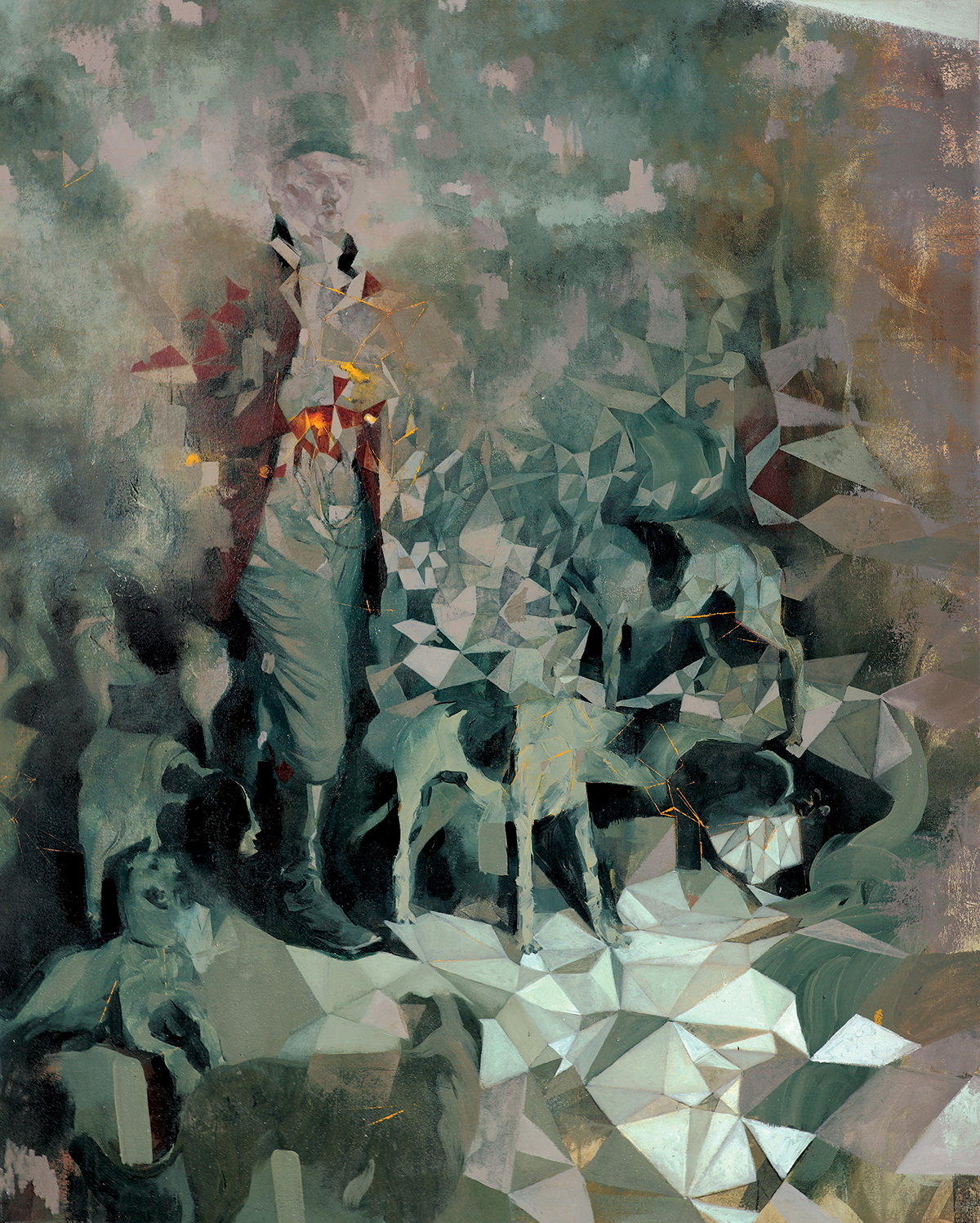
1. My brother and I were always outside. We’d tag along with dad, a relic hunter, as he literally looked for buried treasure (historical artifacts). From Native American spear points, pottery shards, medicine bottles to Civil War bayonets, buckles and shells, we watched as he pulled stone and rust from the earth. Each artifact rich with its own history and value. When we lost interest, we’d be left to play in the woods. It’s amazing the endless wonders found in small streams, rivers and creeks.
2. We grew up camping. Those memories are foundational to who I am now; It’s an “In-my-bones” kind of calling to be out there. Dad took us out on survival trips where all we had was a .22 rifle, a tent and sleeping bags. We had to catch what we ate and we never seemed to catch anything. So we learned what it’s like to be cold, and hungry. We loved it. To dad’s credit, he conveniently had us camp near apple trees or similar.
3. As a family, we took two trips around the US when I was young. Seeing the West for the first time blew my mind. The red desert sands were so different than the lush greens of Virginia. We were always off the-beaten path, finding horned toads, rattle snakes, Native American artifacts and roads that led to nowhere. When we returned home, mom would create these remarkable displays of the things we found and put together her written observations, photographs and thoughts into displays and books that have stayed with us long after the trips passed. I feel that most of my adult life, I’ve been trying to rekindle those thoughts, emotions and experiences from my childhood.
What’s one thing that most people don’t know about you?
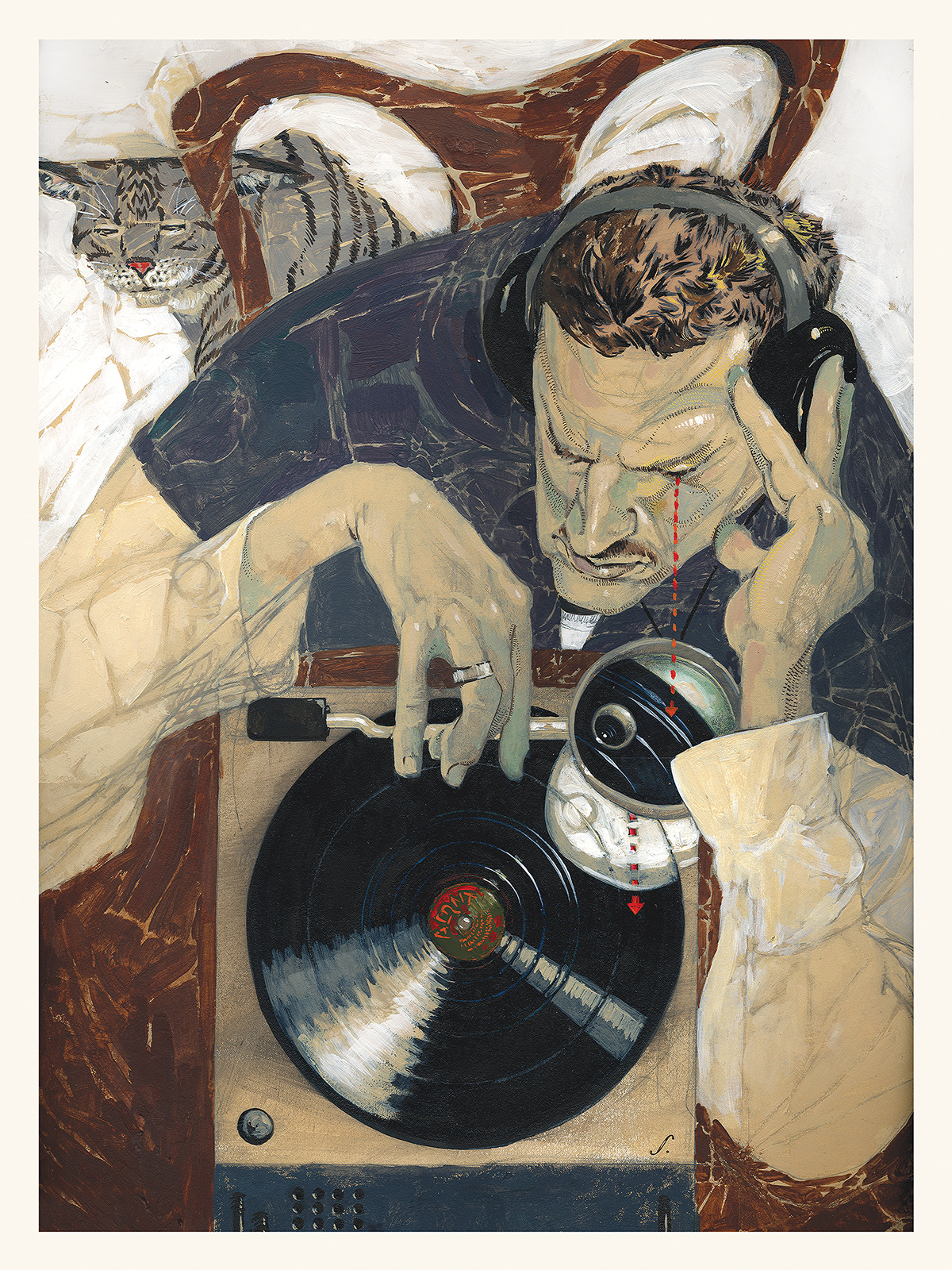
Music haunts me more than any other creative form. I wish I could sing and play music, but these were not the gifts that I was given. I draw instead.
Do you have a unique hobby or obsession?
I’m very fortunate that I’ve been able to fold my hobbies and interests into career opportunities. Drawing, travel, sketching, writing—these are all creative outlets that I’ve been able to bring to the marketplace.
I do play more chess than I like to admit. It’s a beautiful game that I’ve been obsessed with since I was young. That said I’m quite mediocre at it.
How would you describe your aesthetic to someone who has never seen your work?
I’m in the trade of translating words into pictures. It’s a challenge to put my pictures into words. I’d love for someone to write about my work like this one day:
Sterling Hundley’s paintings and illustrations are formed around well-designed ideas, like a pearl taking form around a grain of sand, the drawings, paintings, textures, composition and color all work in concert to amplify that single message. Couched in traditional, observational drawing that holds together both historical references and contemporary inflections of composition, graphic elements and moments of careful rendering, Sterling’s work often feels more like the work of a designer who illustrates, rather than the other way around.
Can you share a bit about the process of creating the art for the Ran project, from the initial seed of the idea to the final version?
I try to design pictures that make people think; ideas that last after the page has been turned or the credits have rolled.
My first step is always research—watching the film, drawing important freeze-frames, taking written notes and time-stamps. From there, I read reviews of the work and try to discover what was happening in the world at the time the movie was made. I research the themes, the Director’s notes (and storyboards in this case) and try to capture as much information as I can before starting. In doing so, I was compelled to approach the project as if we were creating an artifact, not just a series of images.
The research was used to explore design systems for the entirety of the packaging through a series of thumbnail sketches.
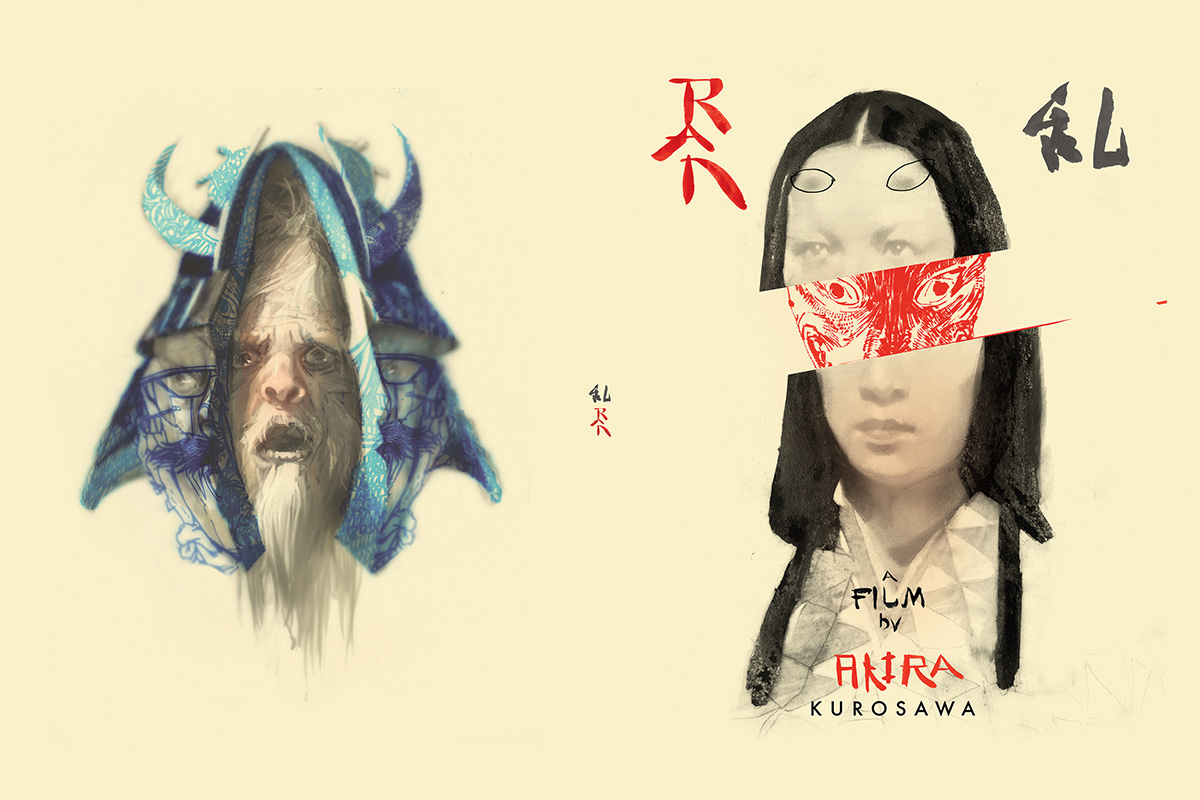
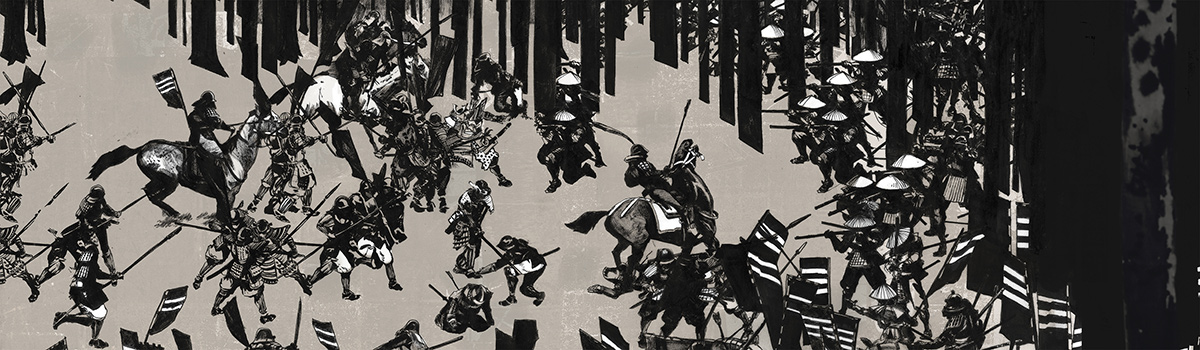
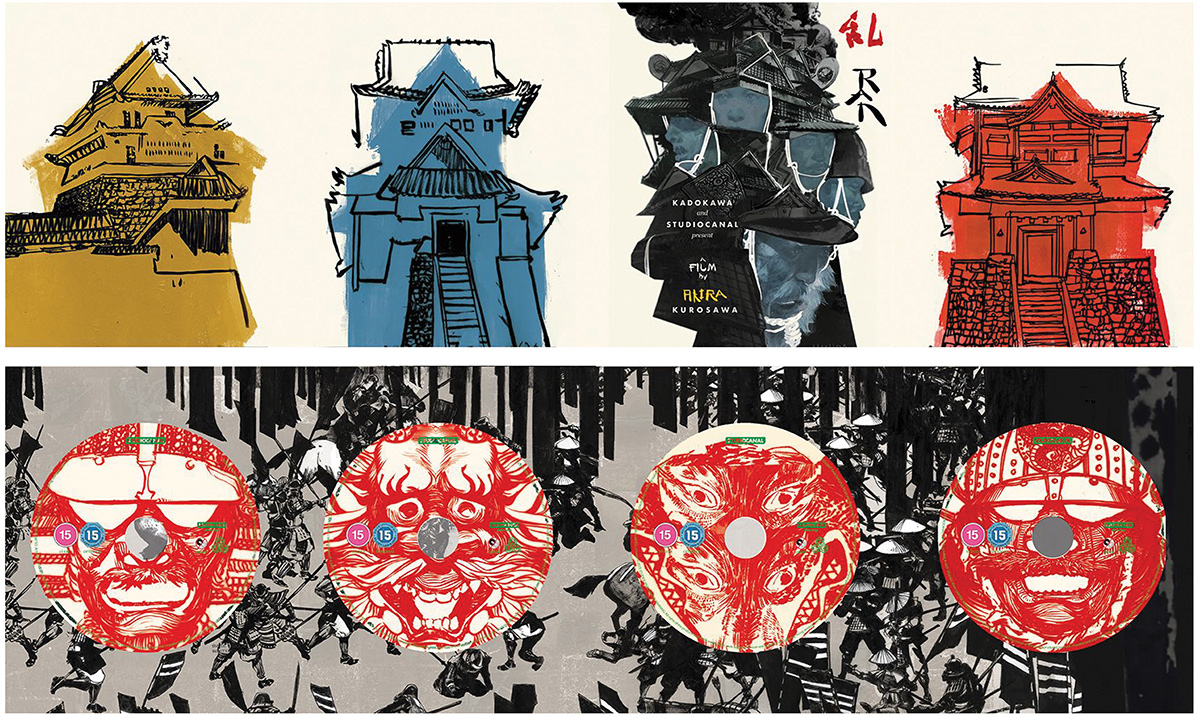
The castles shown in the digipak serve as the central concept. Each panel is a depiction of Lord Ichimonji’s castle and is painted in a primary color representing one of the three son’s armies. I imagine this as a freestanding cube in the final presentation. Each layer of the packaging from the outer slipcase, inner slipcase, booklet, posters to the digipak reference Lord Ichimonji’s descent into madness.
Once approved, I gathered references to help give my thumbnails more information and detail.
Final drawings, collage, and other experiments were then painted for the final images. I used a variety of materials including pencil, ink, brush, collage, acrylic, oils and digital to complete the final pieces, referencing traditional Japanese printmaking and calligraphy, where possible.
Who is inspiring you these days? Who should more people know about?
There are artists pushing technology, creating characters and breaking traditional models in how we approach the marriage of art, commerce and innovation. I’ll always admire those willing to take a leap of faith into the unknown. A few contemporary artists doing these things, who need no introduction: Alberto Mieglo, Nicolas Uribe, Mike Mignola, James Jean, Eliza Ivanova and Rupert Kaufman.
What is the most interesting thing you’ve seen, heard or experienced recently?
We live in interesting times. Interest isn’t the hard thing; focus is the challenge. I find interest in everything from grand new adventures to the patterns and routines of daily life with my family. One of the great gifts of being an artist is that you see things differently. I’ve learned to appreciate and find interest in the beauty of stillness.
Describe an artwork that you currently have displayed in your home. Who made it, what does it look like, and what do you like about it?
I’m lucky to have a Mark English original landscape painting that hangs in our dining room. Mark was a mentor, a dear friend and an inspiration for so many of us. It’s against the unwritten rules of art, but I have to admit that from time to time, I may place my palm on the surface of the painting to remember my old friend and the times we all shared in his company.
What’s one piece of good advice someone gave you, and who said it?
“Shut up and just ‘effin do it.” -my wife
What is one thing you want to accomplish this next year?
To publish my book, Think Louder, a guidebook for the wandering mind.
What is one thing you hope to accomplish in your lifetime?
The first is to travel cross-country with my family. Perhaps not the most ambitious of goals for others, but things get complicated as kids grow older, and I am always seeking ways to share amazing experiences with our family of four.
As a creator, I want to move the needle. To be a pulse; a blip in the lifeline of time. I want to leave an authentic mark through the way I think, solve problems and design solutions through pictures, traditional approaches and developing technologies. Through the Applied Arts Lab I co-founded with friend and colleague, Jason Bennett, I’m getting involved in a wide array of interesting projects that live outside of entertainment. I want to forge the path for other creators to learn how to shape problems into projects in spaces where wicked problems need novel solutions. Embedded experiences, the importance of time, the ability to create first-stage prototypes and visualization are areas where artists are desperately needed. I am a self-appointed Creative Investigator (I made up the term to describe my evolving role as an artist) and believe that the research collaborations I am doing in the areas of healthcare, science and engineering are important next steps in my personal development. More importantly, these are collaborations that are needed in the world.
2025 Photo Awards Winners
Explore the work of our five winners, twenty shortlisted photographers, and two hundred shortlisted images.
See More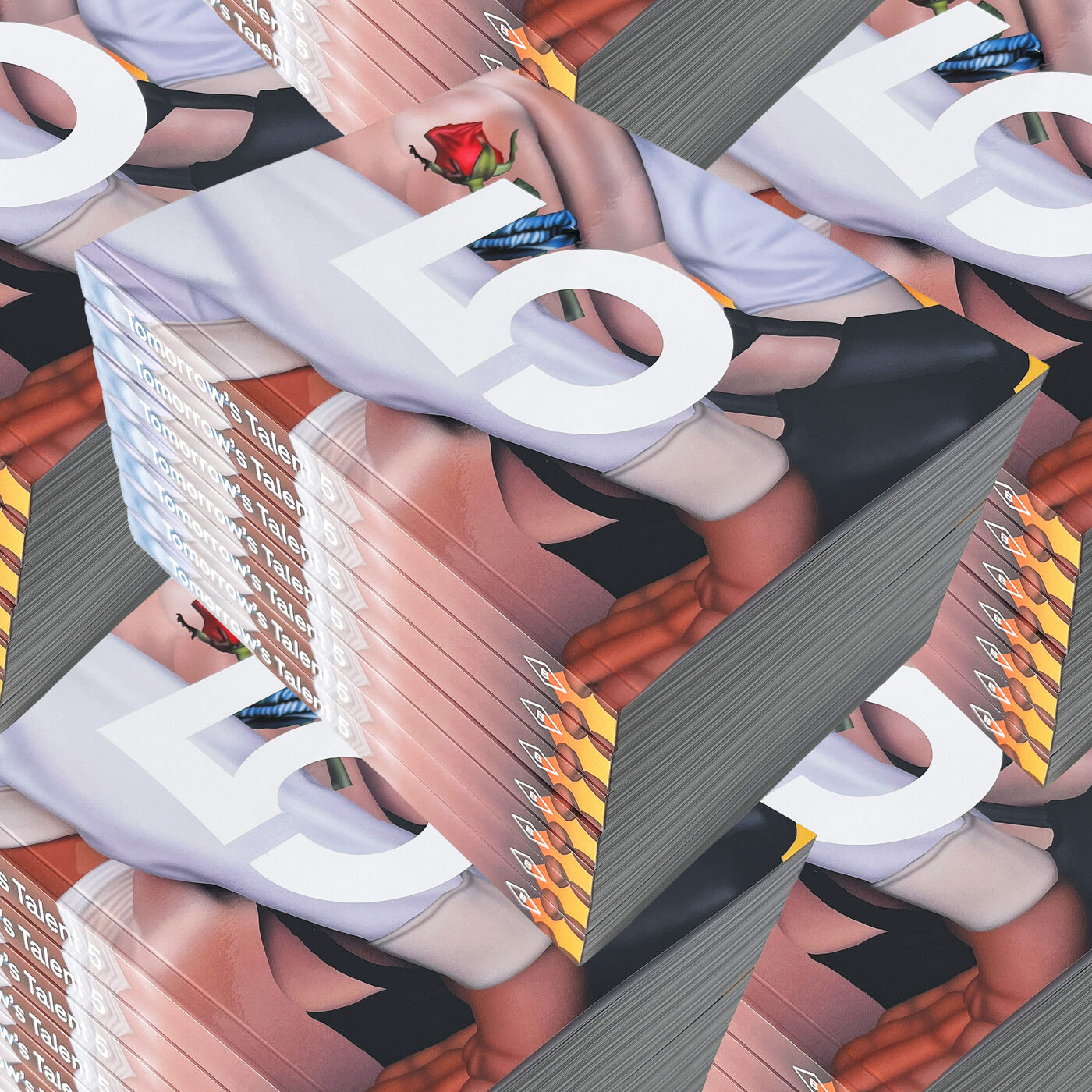
Tomorrow’s Talent 5 Book
This collection brings together work from 60+ artists and is also our biggest volume yet: 276 pages, and for the first time, in a larger format.
Booooooom Shop
Join our Secret Email Club
Our weekly newsletter filled with interesting links, open call announcements, and a whole lot of stuff that we don’t post on Booooooom! You might like it!
Sign UpRelated Articles