Submission Photography

Aphanismos

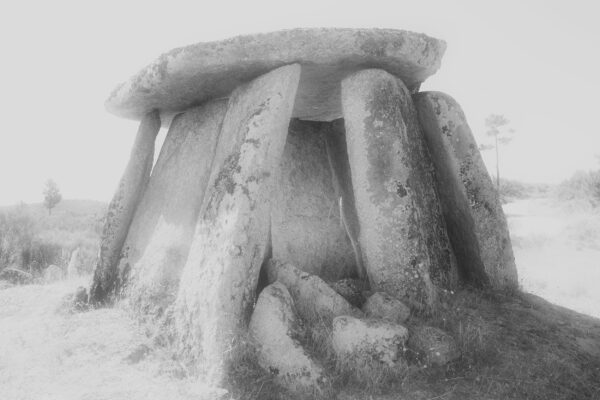
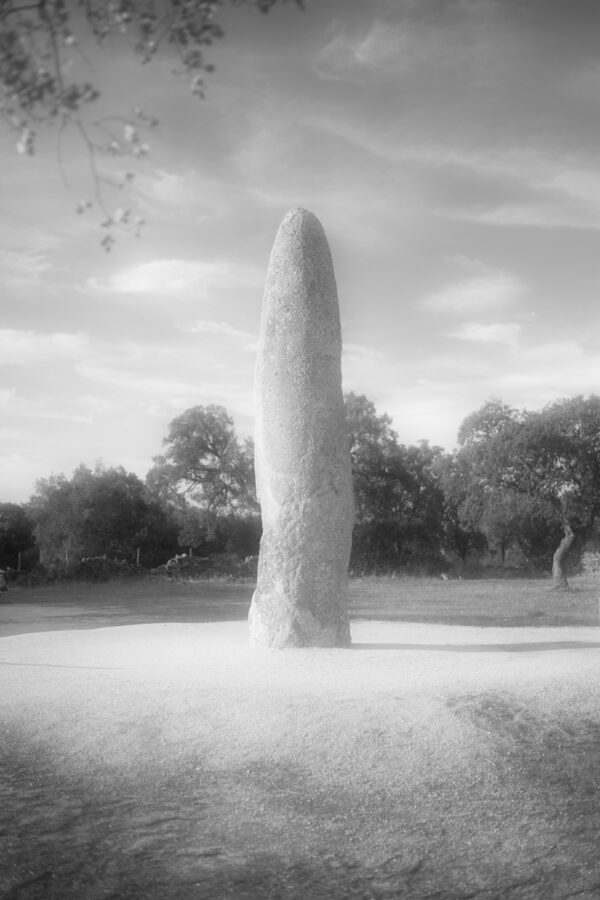
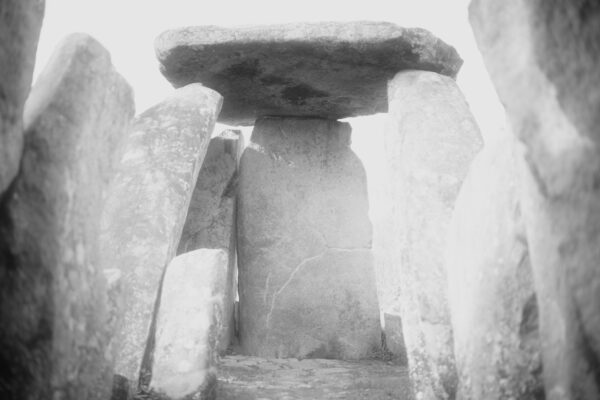
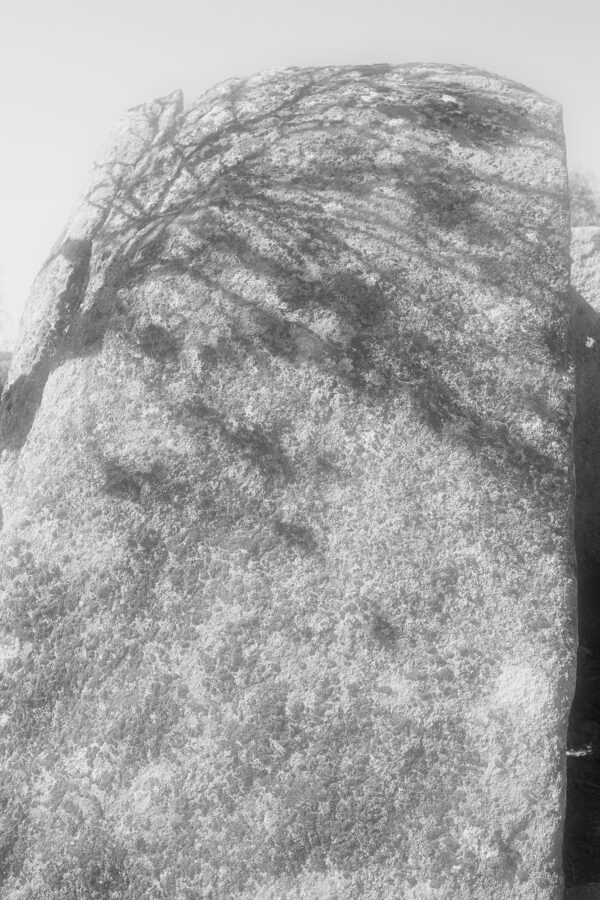
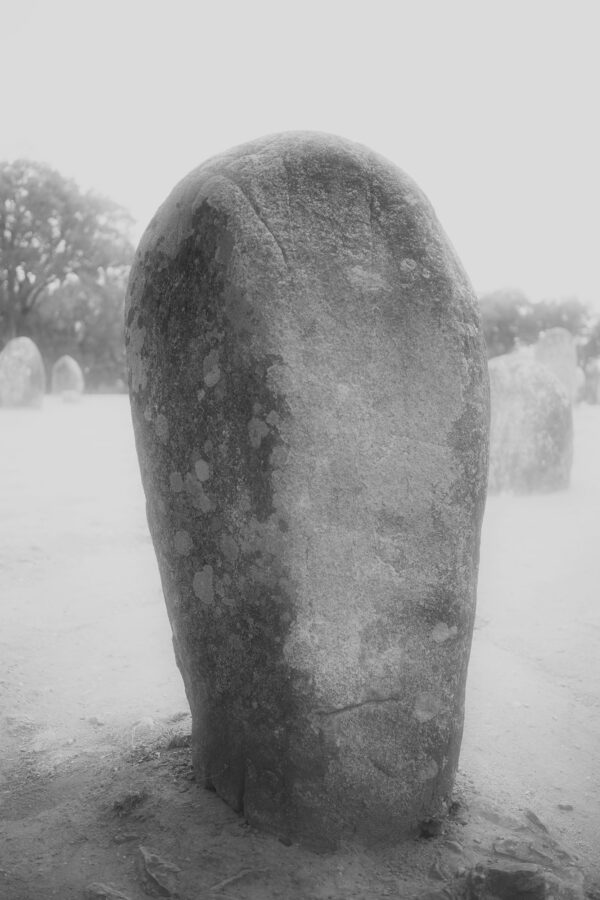
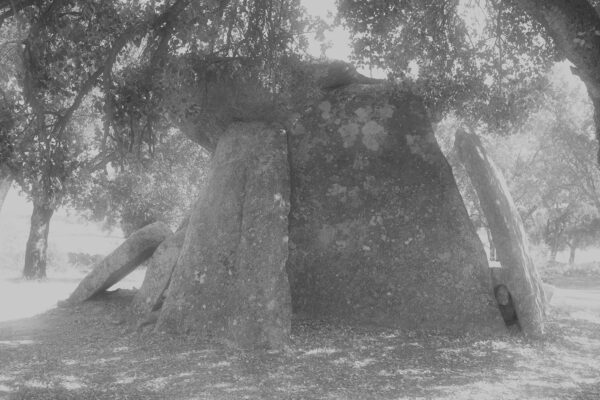
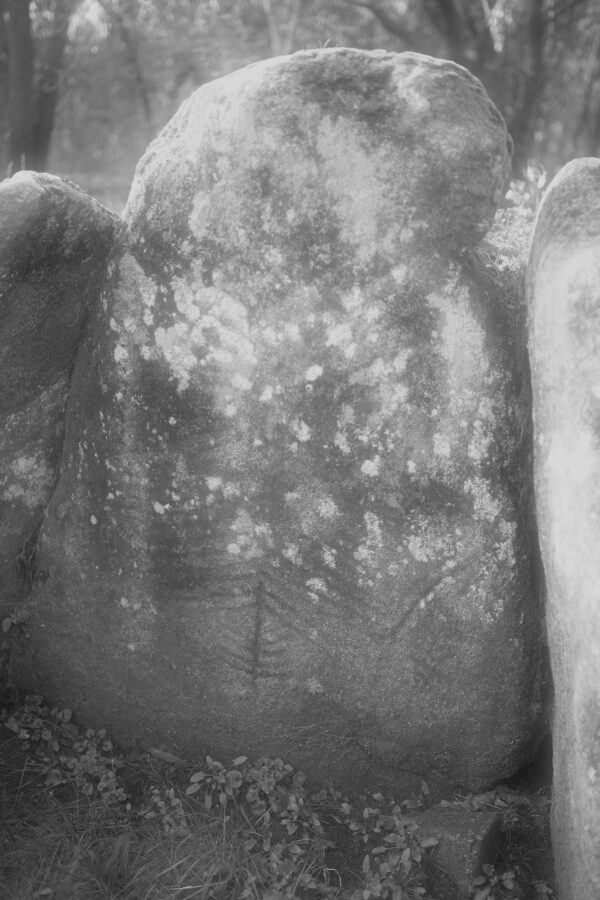
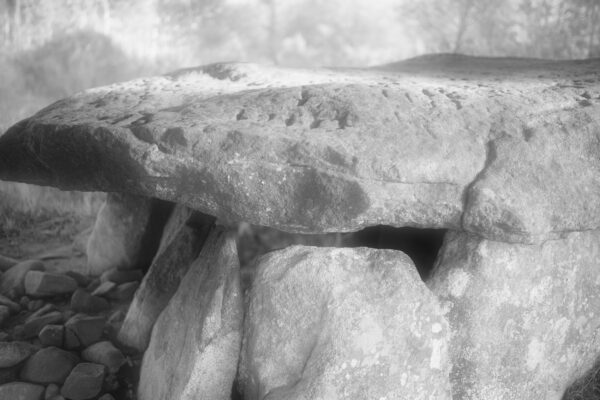
Following Sahlins’ idea, that Descola’s analogism isn’t a separate ontology, but a mode of interpretation within the animist rhizome, boundaries between the human and non-human fall as intersubjectivity forces us to reimagine monuments and landscape as part of an old dialogue where meaning was found through signs and analogies. Countering secular detachment or the desacralization of nature, this project adopts different readings on dolmens and menhirs, revealing the ritual significance of these sites in relation to chthonic and solar cults. Light opens up paths for the invisible: our comprehension of death orients towards mortuary transformation, rather than life’s absence—receptacles of a mystical force instead of mere markers on the landscape.


Learn more here

Aphanismos

Following Sahlins’ idea, that Descola’s analogism isn’t a separate ontology, but a mode of interpretation within the animist rhizome, boundaries between the human and non-human fall as intersubjectivity forces us to reimagine monuments and landscape as part of an old dialogue where meaning was found through signs and analogies. Countering secular detachment or the desacralization of nature, this project adopts different readings on dolmens and menhirs, revealing the ritual significance of these sites in relation to chthonic and solar cults. Light opens up paths for the invisible: our comprehension of death orients towards mortuary transformation, rather than life’s absence—receptacles of a mystical force instead of mere markers on the landscape.