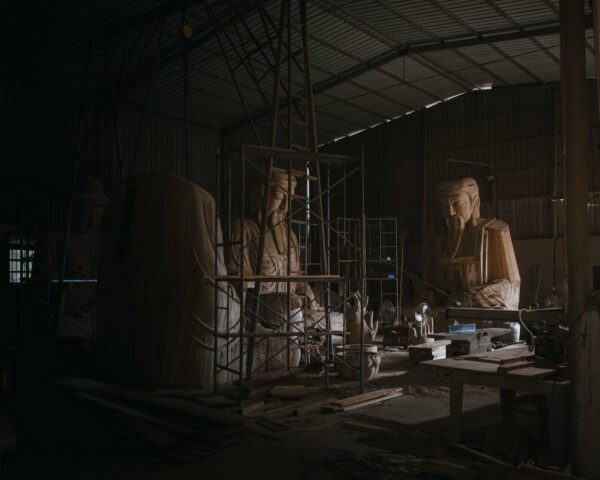
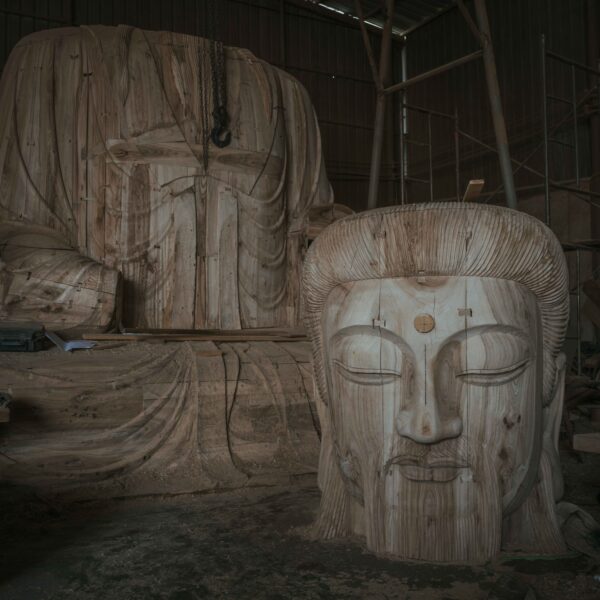
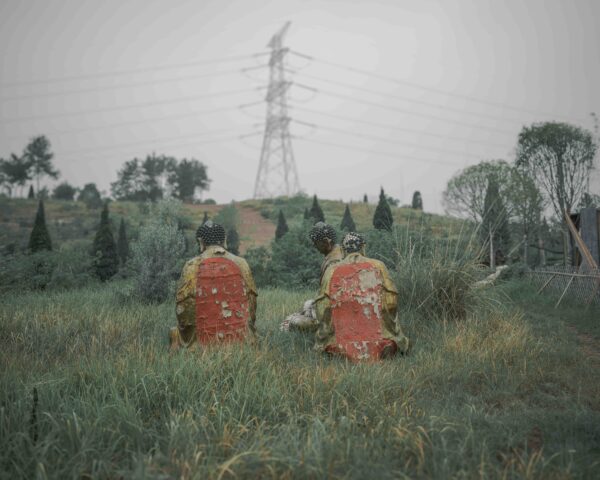
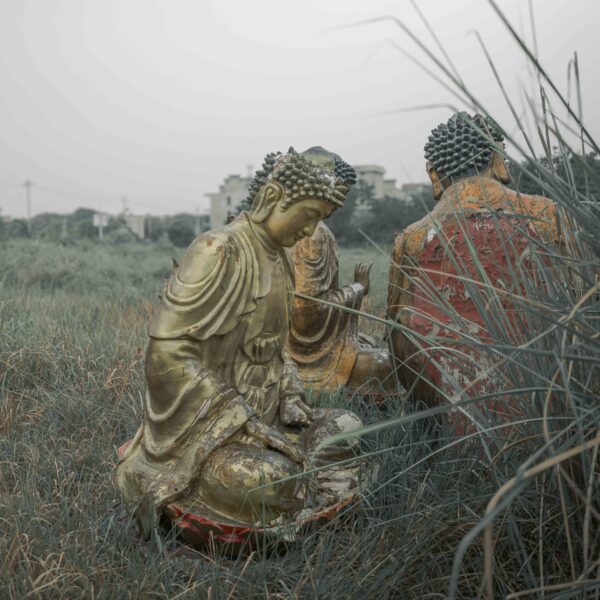
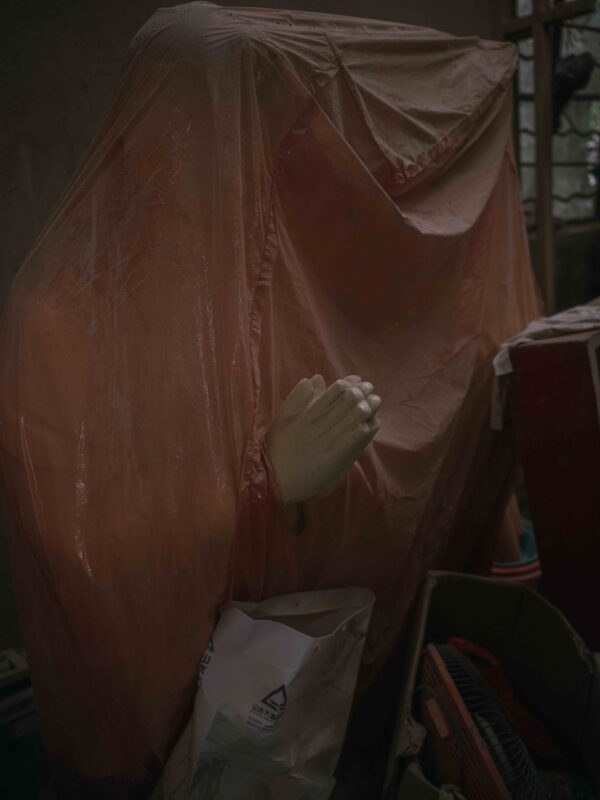
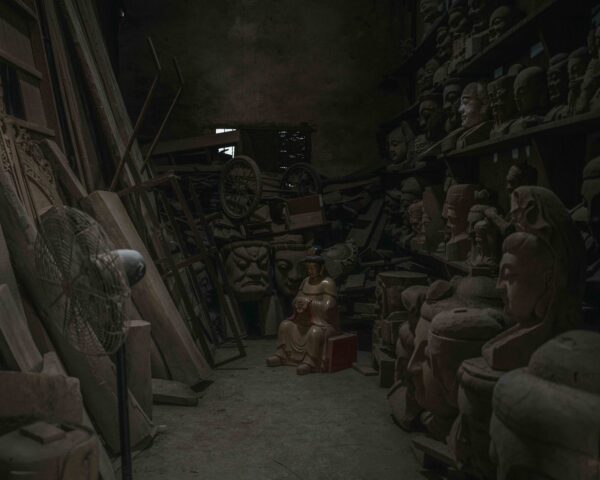
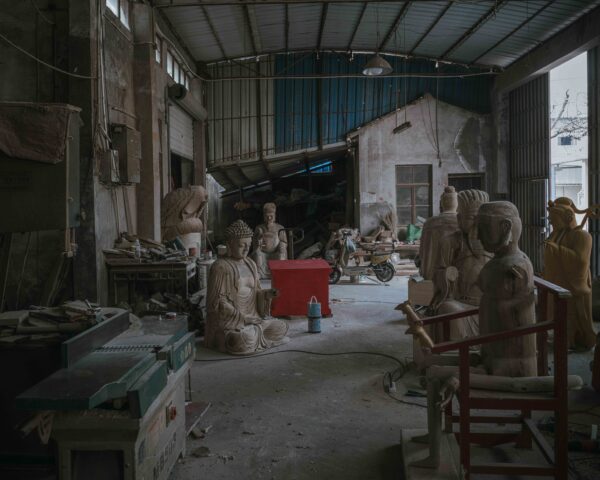
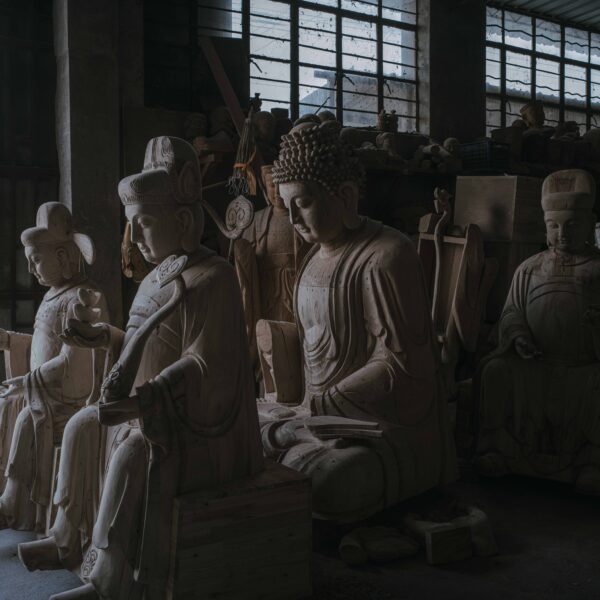
In contemporary China, a socialist country promoting atheism, religious belief has weakened amid modernization and economic growth. Yet Buddhism, the nation’s most influential religion, embodies a paradox: its sacred symbols increasingly circulate as commodities. Central to this is the Buddha statue, once a devotional icon but now mass-produced on industrial assembly lines. In my exploration of factories, I found statues scattered casually on the ground or stacked in corners, awaiting shipment. Others, deemed unsellable, lay abandoned outdoors, fading under weather and time. Here the divine aura is stripped away, revealing the Buddha as both sacred figure and disposable product. This tension between reverence and consumerism questions how commodification reshapes, but never entirely erases, religious meaning.
Learn more here
