Submission Photography

Gwardar

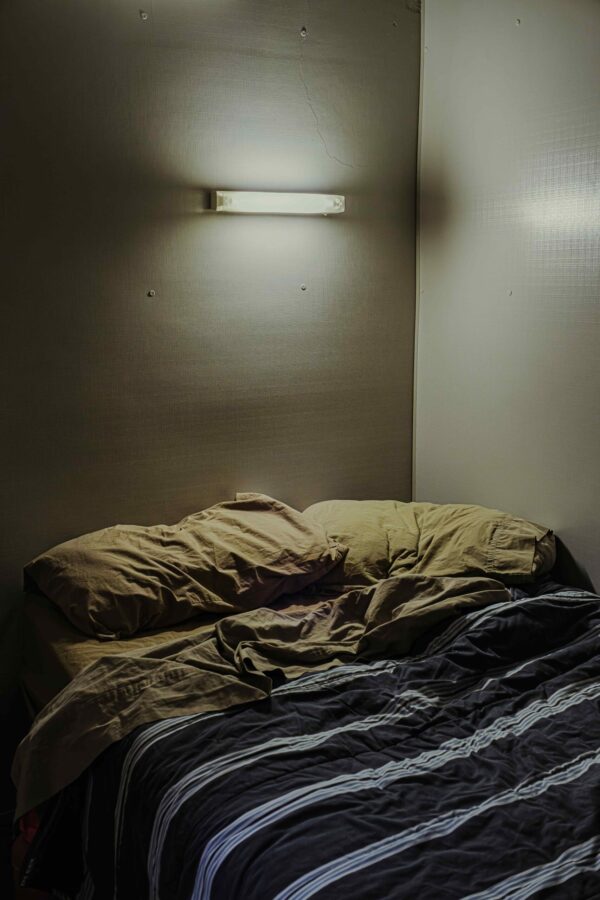
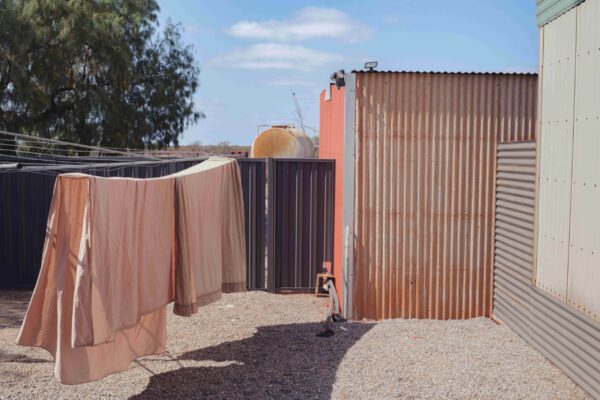
“Gwardar” emerged from five months spent living and working at a remote roadhouse —service stations found along Australia’s most isolated roads, providing fuel, food, and accommodation to those travelling through them.
Nearly 200 kilometres from the nearest town, the place was surrounded by desert and long stretches of road, where everyday life unfolded through repetition: work, waiting, changing light, passing travellers, and the quiet presence of the landscape.
With time, the unfamiliar gradually became familiar through repetition and prolonged presence. What had initially appeared as an empty and distant environment became inhabited by small gestures, traces, encounters, and moments of stillness. The work reflects on the ways we become part of the landscapes we inhabit —and how, in
turn, those landscapes become part of us.
Gwardar

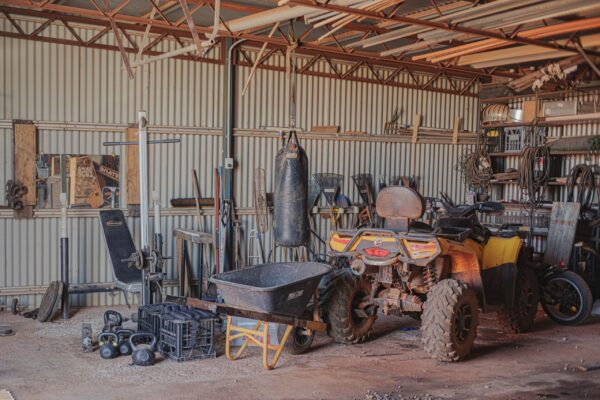
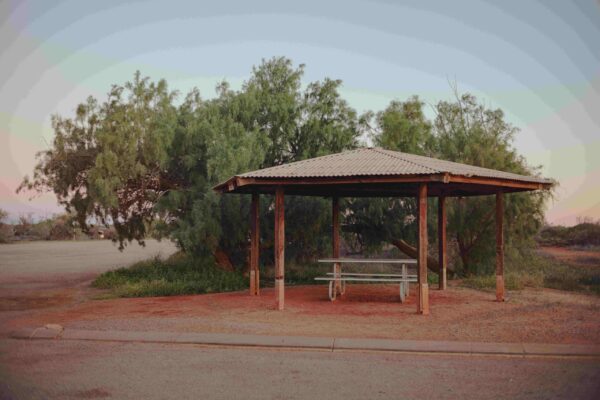
“Gwardar” emerged from five months spent living and working at a remote roadhouse —service stations found along Australia’s most isolated roads, providing fuel, food, and accommodation to those travelling through them.
Nearly 200 kilometres from the nearest town, the place was surrounded by desert and long stretches of road, where everyday life unfolded through repetition: work, waiting, changing light, passing travellers, and the quiet presence of the landscape.
With time, the unfamiliar gradually became familiar through repetition and prolonged presence. What had initially appeared as an empty and distant environment became inhabited by small gestures, traces, encounters, and moments of stillness. The work reflects on the ways we become part of the landscapes we inhabit —and how, in
turn, those landscapes become part of us.